The Untold Story of Louis van Gaal's Managerial Career
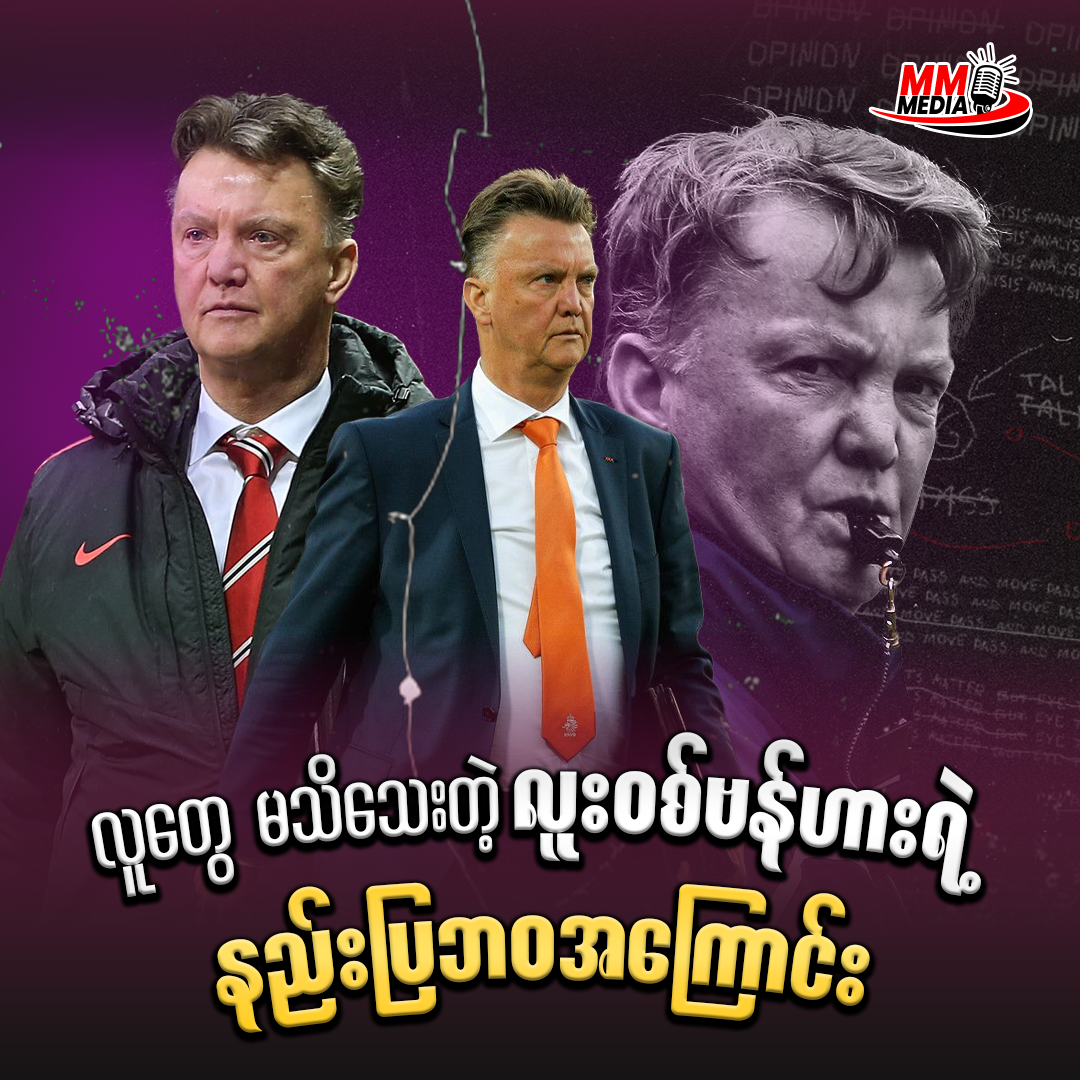
The Untold Story of Louis van Gaal's Managerial Career
What kind of manager was Louis van Gaal? Was he one of the greatest managers in world football? Or was he simply a coach known for playing predictable, possession-based football that some people found boring?
Whatever opinion people may have of him, Van Gaal had to work extremely hard to build the managerial career he eventually achieved.
The reason is simple: Louis van Gaal was not a highly successful player during his playing career.
During his time at his boyhood club, Sparta Rotterdam, Van Gaal had to work as a PE teacher for the club’s youngsters in the mornings, before training with the first team in the afternoons.
At night, instead of simply resting, he spent time studying tactics, coaching methods, and other materials that could help him prepare for a future career in management.
That is why Van Gaal did not become a successful manager overnight. His managerial career was built through years of hard work, learning, and dedication.
Eventually, his efforts paid off when he became the manager of Ajax.
This was the reward for years of determination and hard work.
One of Van Gaal’s biggest strengths as a manager was his willingness to trust young players and give them opportunities.
Several of the young players he developed and introduced to the first team went on to become major stars in world football.
Under Van Gaal, Ajax soon began collecting major trophies, including European silverware.
Van Gaal was one of the most successful managers of the early 2000s. He was also a manager who placed enormous importance on his tactical system and playing philosophy.
Although he had already achieved major success earlier in his career, his accomplishments became less consistent as the 21st century progressed.
After managing clubs and national teams including Barcelona, the Netherlands, and Ajax, Van Gaal took charge of AZ Alkmaar in 2008, where he enjoyed an impressive revival.
He guided AZ Alkmaar to their second league title in the club’s history, marking one of the most memorable achievements of his managerial career.
He then moved to German giants Bayern Munich, where he won all of the major domestic trophies available to him during his two-year spell.
After that, Van Gaal returned to manage the Netherlands national team once again.
Back in 2002, there were reports that Sir Alex Ferguson might retire from Manchester United. As a result, Manchester United officials contacted Louis van Gaal about the possibility of taking over.
However, Ferguson ultimately decided to remain at the club, meaning Van Gaal did not become Manchester United manager at that time.
In 2014, Ferguson finally retired, while his successor David Moyes struggled to produce the desired results and was eventually dismissed.
That was when Louis van Gaal became the new manager of Manchester United.
Van Gaal arrived at a club that needed major changes and a new generation of players. One of his biggest moves was signing Ángel Di María, who had been performing at an extremely high level and was regarded as one of the biggest stars in world football at the time.
During his first season at Manchester United, Van Gaal experimented with numerous tactical systems and formations as he tried to find the right balance for the team.
Di María initially showed flashes of his quality and enjoyed a promising start under Van Gaal.
However, things later became difficult for the Argentine. He struggled with various problems and was unable to maintain his early form.
After losing one of the players he had heavily relied upon, Van Gaal began rebuilding the team in a different way.
He increasingly trusted young players, gave them opportunities, and brought in promising talents who could become important players for the future.
Gradually, Van Gaal’s Manchester United began to develop an identity and started putting together a series of victories.
However, things later began to fall apart. The players lost confidence, the team’s results deteriorated, and Manchester United were also eliminated from the Champions League.
Despite those problems, Van Gaal managed to finish the season by winning the FA Cup, even while dealing with a number of injured players.
However, Manchester United decided to dismiss Van Gaal just five days after he had won the FA Cup.
After leaving Manchester United, Van Gaal took a break from management.
Then, in 2021, he returned to the Netherlands national team for a third spell as head coach.
And that is the story of Louis van Gaal’s managerial career — a journey built through hard work, tactical conviction, developing young players, major trophies, setbacks, and constant attempts to rebuild his teams.
Thank you very much to everyone who took the time to read this article until the end.

LATEST NEWS

Top 5 Football Clubs with the Highest Average Matchday Revenue in the 21st Century
Kai Havertz set to miss another three weeks with hamstring injuryKai Havertz set to miss another three weeks with hamstring injury
Chelsea to make changes to goalkeeper and striker in summer
.png)
Atletico Madrid Vs Barcelona ( Post Match Review )